
In California, water is never far from the conversation. We swing between wet winters and dry years, and even in a good rain season the long-term trend pushes everyone toward using water more carefully. For Sacramento-area homeowners, that is not just an environmental talking point; it shows up on the utility bill and, increasingly, in local watering rules. The good news is that a surprising amount of household water savings comes down to plumbing — the fixtures, the pipes, and the habits around them. You do not have to take shorter showers in the dark to make a real dent. This guide walks through where home water actually goes, the upgrades that pay off, and the everyday fixes that matter more than people expect.
Where Your Water Actually Goes
Before changing anything, it helps to know the targets. In a typical American home, the largest indoor water uses are toilets, showers, faucets, and clothes washers, with leaks quietly claiming a meaningful share on top of that. The U.S. Environmental Protection Agency estimates that the average household loses a substantial amount of water every year to leaks alone, much of it from easy-to-fix culprits like running toilets and dripping faucets. That single fact reframes the whole project: before you buy anything, the cheapest water you will ever save is the water you stop wasting.
Start With Leaks, Because They Are Free to Fix
A faucet dripping once per second wastes thousands of gallons a year. A toilet with a worn flapper can silently run through far more than that, often without anyone hearing it. Two quick tests find most household leaks. First, read your water meter, wait a couple of hours with no water use, and read it again; if it moved, you have a leak somewhere. Second, put a few drops of food coloring in the toilet tank and wait without flushing; if color appears in the bowl, the flapper is leaking. Most of these are inexpensive repairs, and they pay for themselves quickly.
Upgrade the Fixtures That Run the Most
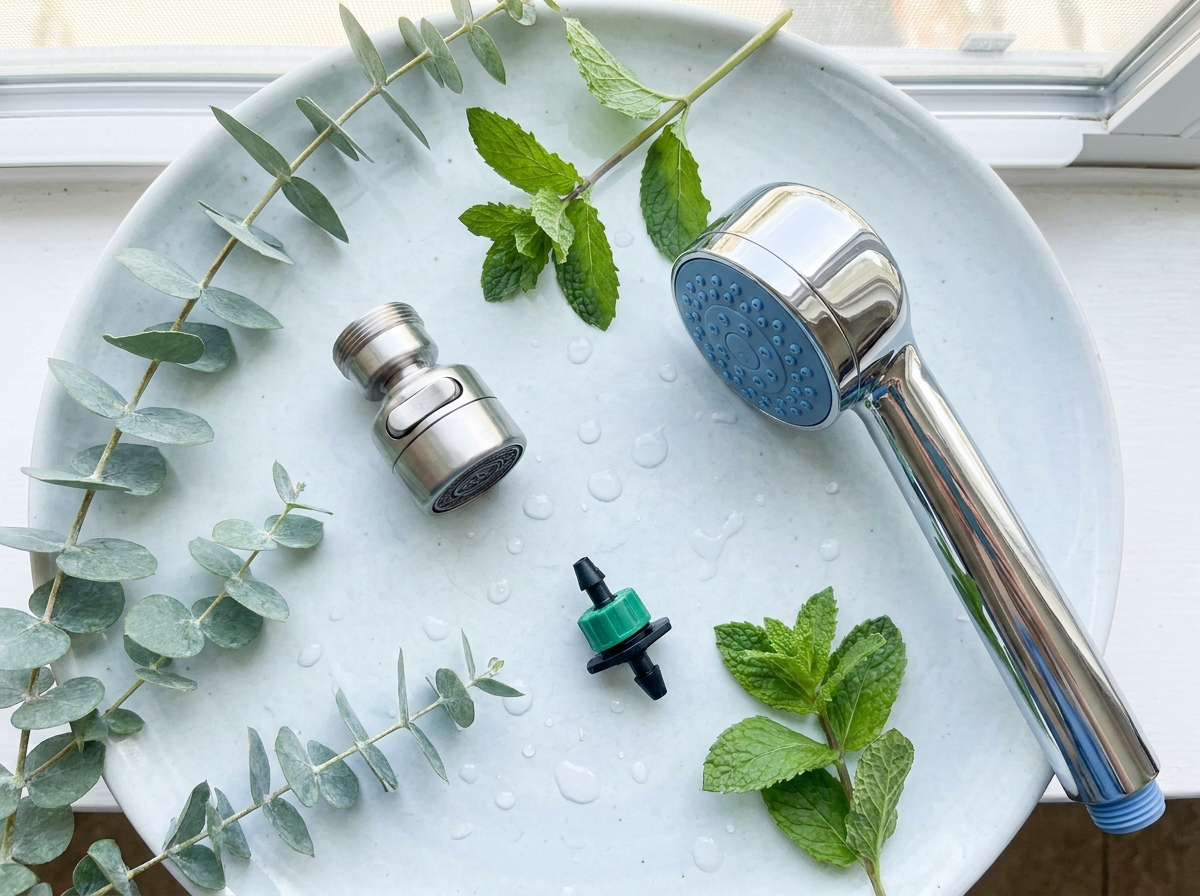
Once leaks are handled, the biggest wins come from the fixtures you use every day. Look for the WaterSense label, an EPA program that certifies fixtures meeting efficiency and performance standards — the key word being performance, because modern efficient fixtures are engineered to feel just as good as the old water-hungry ones. High-efficiency toilets use a fraction of what older models did per flush, and if your toilet predates the mid-1990s, replacing it is one of the highest-impact water upgrades available, since toilets are typically the single largest indoor water user. WaterSense showerheads cut shower flow while maintaining pressure through better aeration and spray design. Faucet aerators are the cheapest upgrade of all: a small screw-on piece that reduces flow at the tap for a few dollars. And when a clothes washer or dishwasher reaches the end of its life, choosing a high-efficiency model saves both water and energy for the next decade.
Don’t Forget the Water Heater and the Pipes
There is a hidden water cost in waiting for hot water. Every time you run the tap waiting for it to warm up, that cold water goes down the drain. Insulating hot-water pipes and, in the right homes, adding a recirculation system or a point-of-use heater reduces that wait and the waste that comes with it. If you have been considering a tankless water heater, efficient hot-water delivery is one more point in its favor, a topic worth its own conversation.
Outdoors: Where California Water Really Adds Up
Indoor efficiency matters, but in our climate outdoor irrigation is often the largest single use of household water, especially in summer. Plumbing plays a role here too. A smart irrigation controller that adjusts to weather avoids watering before or after rain. Drip irrigation delivers water to roots instead of spraying it into the air where much of it evaporates. Fixing leaking outdoor spigots and hose bibs, and checking irrigation lines for breaks, prevents the slow losses that never make a puddle but show up on the bill. Many Sacramento-area water agencies periodically offer rebates for efficient irrigation equipment and turf replacement, which can offset the cost of upgrades.
The Future of Water-Smart Homes
The trade is moving toward homes that manage water intelligently. Smart leak detectors now sit on the main line and can shut off water automatically when they sense an abnormal flow, stopping a burst pipe or a running toilet before it becomes a flood or a giant bill. Greywater systems, which reuse water from showers and laundry for irrigation, are gaining ground in California as codes evolve to support them. And as efficiency standards tighten, the fixtures coming to market keep getting better at delivering the same comfort with less water. For homeowners, the takeaway is that water efficiency and everyday comfort are no longer a trade-off; increasingly they come in the same package.
A Simple Plan to Get Started
You do not need to do everything at once. Start by checking for leaks and fixing the obvious ones. Add faucet aerators and a WaterSense showerhead, which are inexpensive and quick. Replace an aging toilet when the budget allows, prioritizing the oldest and most-used one. Tune up your irrigation for the season. Each step lowers your bill, and together they add up to real, year-round savings — the kind that keep paying off whether or not the next winter is a wet one.
Want to lower your water bill with upgrades that actually feel good to use? Plumbing Care Inc installs high-efficiency fixtures, fixes hidden leaks, and helps Sacramento-area homeowners get drought-ready. Call (916) 510-8804 (Sacramento and Placer County) or (925) 255-6352 (Bay Area).
Sources consulted (paraphrased, not quoted): U.S. Environmental Protection Agency WaterSense program materials on fixture efficiency and household leaks; U.S. Department of Energy guidance on water heating and hot-water distribution; general California water-agency information on rebates, irrigation efficiency, and greywater. Specific rebate availability changes — homeowners should confirm current programs with their local water provider.
Related Reading
- Tankless vs. Tank Water Heaters: Which Is Right?
- Heat-Pump Water Heaters: Savings and Rebates
- Why High Water Pressure Is Costing You Money
Want to reduce water waste without giving up comfort? Contact Plumbing Care Inc. to discuss practical plumbing options. Mention PCI-BLOG-13005 when you call so our team can identify the post that brought you here.